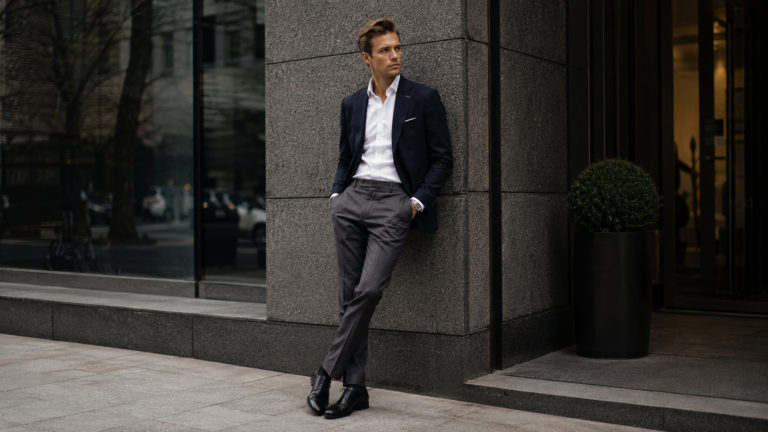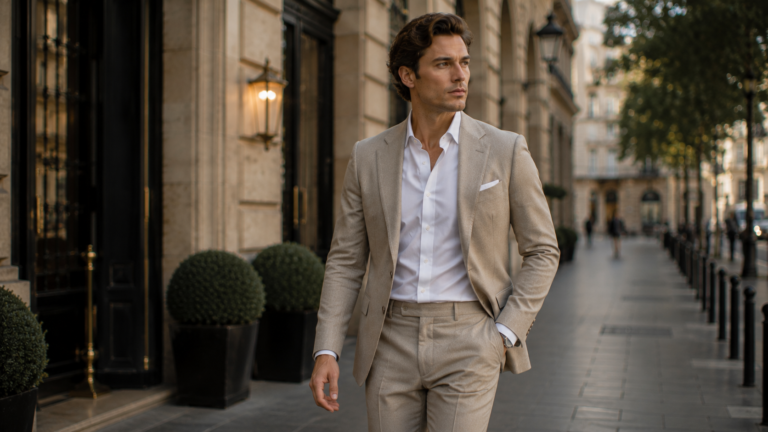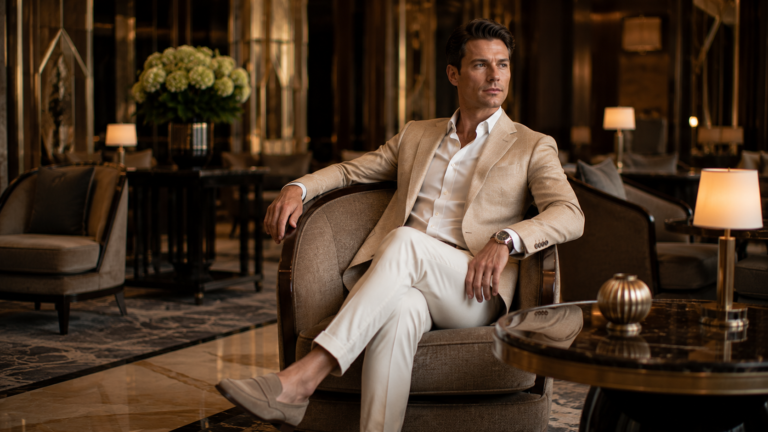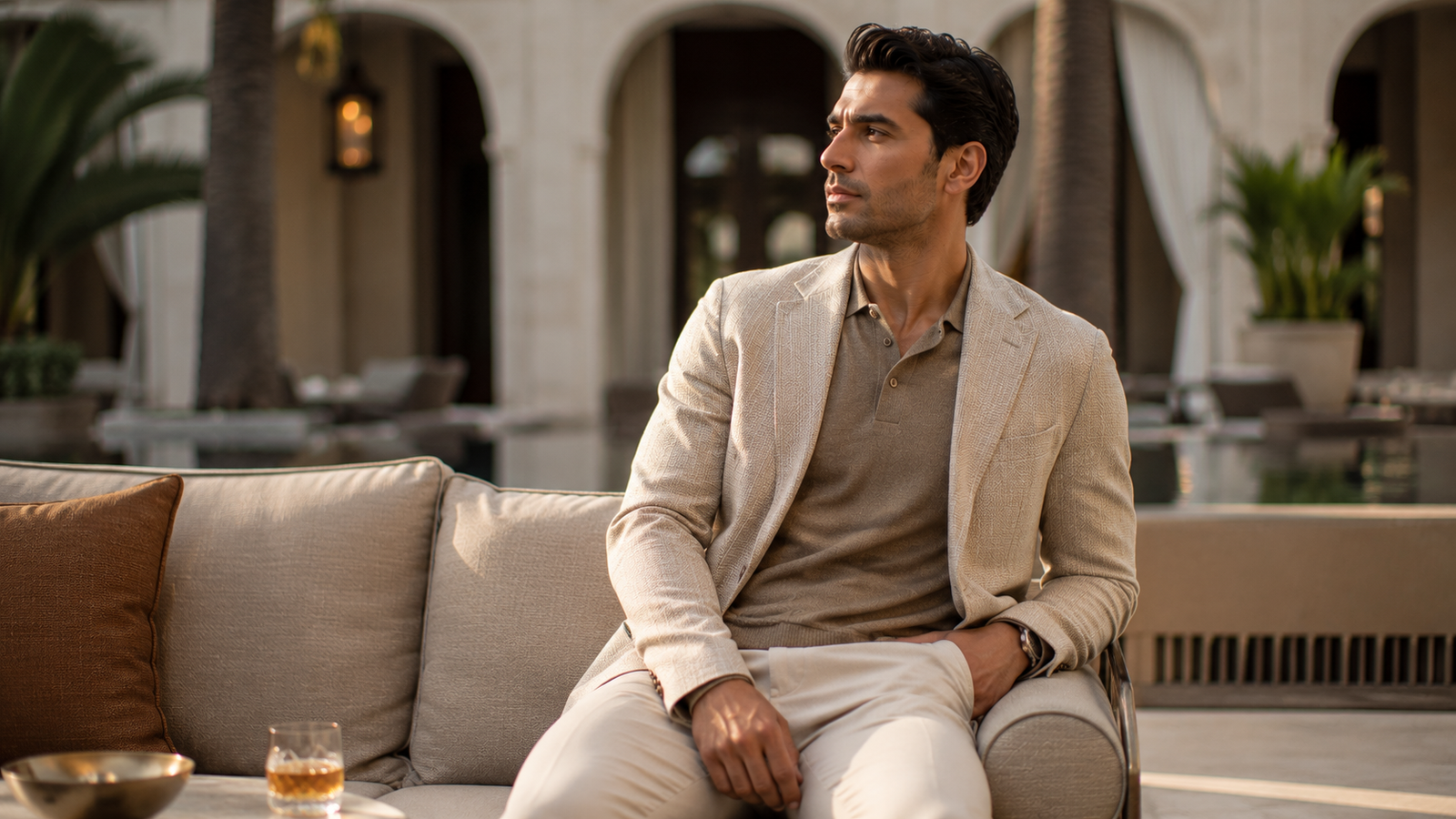
Menswear is evolving. While structured business suits and rigid tailoring once dominated professional style, many modern men are moving toward a more relaxed approach to dressing. Across luxury fashion, business wear, and travel wardrobes, soft tailoring is becoming one of the most influential trends in contemporary menswear.
Soft tailoring focuses on comfort, natural movement, and understated sophistication. Instead of heavily padded shoulders and stiff construction, it embraces lighter fabrics, softer silhouettes, and garments designed to feel effortless while maintaining a polished appearance. The result is a style that combines elegance with practicality.
As personal style continues to shift toward versatility and comfort, more professionals, entrepreneurs, and luxury travelers are embracing soft tailoring. Understanding why more men are choosing soft tailoring reveals how modern menswear is adapting to changing lifestyles, evolving workplace expectations, and the growing influence of quiet luxury.
What Is Soft Tailoring?
Soft tailoring is a modern approach to menswear that combines elegance with comfort. Unlike traditional tailoring, which often relies on structured construction, heavy canvassing, and padded shoulders, soft tailoring focuses on lighter fabrics, natural silhouettes, and greater freedom of movement.
The goal is not to make clothing appear less refined. Instead, soft tailoring creates a polished look that feels more relaxed and effortless. Jackets are often designed with minimal padding, softer shoulders, and flexible construction that allows the garment to move naturally with the wearer. This creates a sophisticated appearance without the stiffness commonly associated with formal business attire.
One reason soft tailoring has become increasingly popular is that it reflects how modern men live and work. Many professionals no longer spend every day in highly formal corporate environments. Their wardrobes need to function across meetings, travel, networking events, social occasions, and flexible work settings. Soft tailoring offers the versatility needed for these different situations.
The style is also closely connected to contemporary luxury fashion. Rather than focusing on rigid formality, it emphasizes comfort, quality fabrics, and understated sophistication. This makes it a natural fit for individuals who appreciate timeless style while still wanting clothing that feels practical and easy to wear.
Many garments associated with soft tailoring include unstructured blazers, lightweight jackets, relaxed trousers, and breathable fabrics such as wool blends, linen, and cotton. These pieces maintain a refined appearance while providing a level of comfort that traditional tailoring often struggles to achieve.
As a result, soft tailoring has become one of the defining trends in modern menswear. It represents a shift toward clothing that balances professionalism, comfort, and effortless style—qualities that continue to resonate with today’s style-conscious men.
Why Traditional Stiff Suits Are Losing Popularity
For many years, structured business suits represented the standard for professional menswear. Strong shoulders, rigid construction, and formal silhouettes were often associated with authority, professionalism, and success. While these qualities still have their place, modern lifestyles are changing the way men think about tailoring.
One of the biggest reasons traditional stiff suits are losing popularity is comfort. Today’s professionals often move between different environments throughout the day, including offices, airports, hotels, networking events, and remote work settings. Clothing that feels restrictive or uncomfortable is becoming less practical for these increasingly flexible lifestyles.
Workplace culture has also evolved. Many industries no longer require highly formal dress codes, allowing professionals to embrace a more relaxed version of business style. As a result, men are seeking garments that maintain a polished appearance while offering greater ease of movement and versatility.
The growing influence of luxury travel has further accelerated this shift. Modern travelers want clothing that performs well during long flights, business meetings, dinners, and social events without feeling stiff or overly formal. Soft tailoring naturally supports these needs by combining sophistication with comfort.
Another factor is changing attitudes toward personal style. Many men no longer want to appear overly corporate or rigid. Instead, they prefer an image that feels approachable, confident, and effortlessly refined. Soft tailoring helps achieve this balance by reducing unnecessary structure while preserving elegance and professionalism.
This shift explains why Why More Men Are Choosing Soft Tailoring has become such an important conversation in modern menswear. The trend reflects a broader movement away from restrictive clothing and toward garments that better align with the realities of contemporary life. For many men, style is no longer about looking formal at all costs—it is about looking refined while feeling comfortable and confident.
The Rise of Comfort in Luxury Menswear
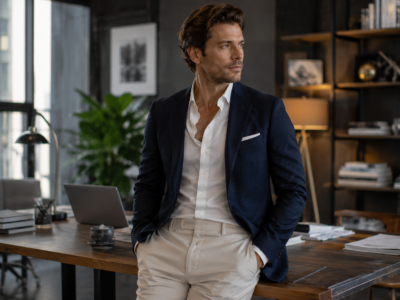
Comfort has become one of the most influential forces shaping modern menswear. While luxury fashion was once associated primarily with appearance and status, today’s consumers increasingly expect clothing to deliver both style and comfort. This shift is changing the way designers, tailors, and fashion-conscious men approach their wardrobes.
One reason comfort has become so important is the evolution of daily life. Modern professionals often transition between multiple environments in a single day, moving from business meetings and networking events to travel, social gatherings, and remote work. Clothing that feels comfortable across these different situations offers a clear advantage over garments designed solely for formal presentation.
The quiet luxury movement has also contributed to this trend. Instead of focusing on visible branding and rigid dress codes, quiet luxury emphasizes quality materials, exceptional craftsmanship, and effortless wearability. Soft tailoring naturally supports these values by creating garments that look refined while remaining comfortable throughout the day.
Fabric innovation has further accelerated the rise of comfort in luxury menswear. Lightweight wool, linen blends, soft cotton fabrics, and flexible construction techniques allow garments to maintain a sophisticated appearance without sacrificing movement or breathability. These improvements make tailored clothing more practical for modern lifestyles.
Comfort is also closely connected to confidence. When individuals feel physically comfortable in their clothing, they often appear more relaxed, approachable, and self-assured. This creates a stronger overall presence while allowing personal style to feel more natural rather than forced.
As a result, comfort is no longer viewed as a compromise in luxury fashion. It has become a defining feature of modern style. This growing preference helps explain why more men are choosing soft tailoring, as it offers a balance of elegance, versatility, and comfort that aligns perfectly with the expectations of contemporary menswear.
How Soft Tailoring Fits the Quiet Luxury Movement
The rise of soft tailoring is closely connected to the growing popularity of quiet luxury. Both movements share a similar philosophy: luxury should be felt through quality, craftsmanship, comfort, and refinement rather than displayed through obvious branding or excessive fashion statements.
Quiet luxury focuses on timeless style and understated elegance. Instead of relying on large logos or trend-driven designs, it emphasizes premium fabrics, superior construction, and garments that remain relevant year after year. Soft tailoring naturally supports these values by creating clothing that looks sophisticated while maintaining comfort and versatility.
One of the reasons these two trends work so well together is their shared emphasis on effortlessness. Quiet luxury is not about appearing overdressed or seeking attention. It is about looking polished in a way that feels natural and authentic. Soft tailoring achieves this by replacing rigid structure with softer silhouettes that move comfortably and appear less formal without losing elegance.
Many of the wardrobes associated with Quiet Luxury Men’s Fashion feature unstructured blazers, lightweight jackets, breathable fabrics, and refined neutral colors. These elements allow men to create a sophisticated appearance without sacrificing comfort or practicality. As a result, soft tailoring has become one of the defining characteristics of modern quiet luxury style.
The appeal extends beyond fashion alone. Professionals, entrepreneurs, and luxury travelers are increasingly choosing clothing that supports their lifestyle rather than restricting it. Old money fashion, Soft tailoring allows them to transition seamlessly between business meetings, travel experiences, social events, and everyday activities while maintaining a refined appearance.
This connection helps explain why more men are choosing soft tailoring. It reflects a broader shift in the way luxury is defined today. Rather than focusing on visibility and status symbols, modern luxury is increasingly built around comfort, quality, versatility, and timeless personal style.
Why Professionals Prefer Relaxed Elegance
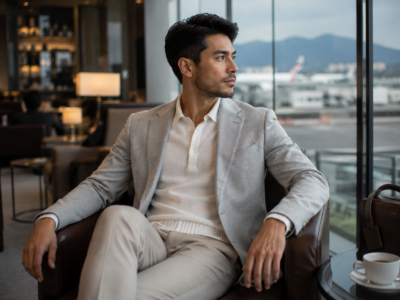
Modern professionals are redefining what it means to dress well. While previous generations often associated success with highly structured business suits and formal corporate attire, today’s professionals are increasingly drawn to a style that balances sophistication with comfort. Why fit matters more than brands name, This shift has made relaxed elegance one of the most influential concepts in contemporary menswear.
Relaxed elegance is built on the idea that clothing should look refined without appearing overly formal or restrictive. It combines the polish of traditional tailoring with the comfort and versatility needed for modern lifestyles. This approach allows professionals to maintain a strong appearance while feeling comfortable throughout the day.
One reason this style has become so popular is the changing nature of work. Many professionals now operate in environments that blend business, travel, networking, and social interaction. A wardrobe based on relaxed elegance offers the flexibility to move between these situations without requiring multiple outfit changes or excessively formal clothing.
Soft tailoring plays a central role in this trend. Lightweight construction, natural shoulders, breathable fabrics, and comfortable silhouettes create garments that feel effortless while maintaining a professional appearance. This balance allows individuals to project confidence and credibility without appearing rigid or outdated.
The growing importance of personal branding has also contributed to the appeal of relaxed elegance. Modern professionals want to appear approachable, confident, and authentic. Clothing that feels natural and comfortable often supports these qualities more effectively than heavily structured garments designed solely for formal occasions.
This evolution in professional style helps explain why more men are choosing soft tailoring. It offers a modern solution for individuals who want to combine professionalism, comfort, and timeless sophistication in a way that reflects the realities of contemporary business and luxury lifestyles.
The Best Fabrics for Soft Tailoring
Fabric selection plays a major role in the success of soft tailoring. While construction and fit are important, the materials used in a garment largely determine how comfortable, breathable, and natural it feels. This is one reason fabric choice has become such an important consideration for modern menswear.
One of the most popular options for soft tailoring is lightweight wool. High-quality wool offers excellent drape, breathability, and versatility while maintaining a refined appearance. Unlike heavier traditional suit fabrics, lightweight wool allows garments to move more naturally and remain comfortable across different climates and occasions.
Linen has also become increasingly popular among men seeking a relaxed yet sophisticated look. Known for its breathability and lightweight feel, linen creates an effortless elegance that aligns perfectly with the principles of soft tailoring. It is particularly well suited for warm-weather destinations, luxury travel, and casual business environments.
Cotton fabrics provide another excellent option. Soft cotton jackets and tailored separates offer comfort and flexibility while maintaining a polished appearance. They are often chosen by professionals who want a balance between formal style and everyday practicality.
Many luxury brands and tailors also use fabric blends that combine the strengths of multiple materials. Wool-linen, wool-silk, and cotton-linen blends can provide enhanced comfort, durability, and texture while preserving the refined appearance associated with premium menswear.
The choice of fabric is especially important because it directly affects how a garment feels throughout the day. Soft tailoring is built around comfort and natural movement, making lightweight and breathable materials essential to achieving the desired result.
As men’s fashion continues to evolve, premium fabrics remain one of the key reasons why more men are choosing soft tailoring. The right material allows clothing to deliver sophistication, comfort, and versatility simultaneously—qualities that define modern luxury menswear.
Will Soft Tailoring Define the Future of Menswear?
Soft tailoring has already transformed the way many men approach personal style, but its growing popularity raises an important question: is it simply a trend, or does it represent the future of menswear?
Several factors suggest that soft tailoring may have long-term staying power. Unlike trends that rely on novelty or seasonal appeal, soft tailoring addresses practical needs that continue to influence modern lifestyles. Comfort, versatility, and effortless elegance are qualities that remain valuable regardless of changing fashion cycles.
The evolution of workplace culture is one reason this movement is likely to continue. As professional environments become more flexible, men are increasingly looking for clothing that bridges the gap between formal and casual dress. Soft tailoring provides this balance by maintaining sophistication while offering greater comfort and freedom of movement.
Luxury fashion is also moving in a direction that supports the growth of soft tailoring. The continued popularity of quiet luxury, understated wealth, and timeless style suggests that consumers are prioritizing quality and wearability over rigid formality. These preferences align perfectly with the principles that define soft tailoring.
Another important factor is consumer behavior. Many people are becoming more selective about their wardrobes, choosing fewer but higher-quality garments that can be worn across multiple occasions. Soft tailoring supports this approach by creating versatile clothing that adapts easily to professional, social, and travel settings.
While fashion will always evolve, the core values behind soft tailoring—comfort, refinement, quality, and versatility—are unlikely to disappear. For this reason, soft tailoring appears less like a temporary trend and more like a natural evolution of modern menswear.
As the demands of contemporary life continue to shape personal style, soft tailoring is well positioned to remain one of the defining influences in men’s fashion for years to come.
Conclusion
Soft tailoring represents a significant shift in modern menswear. By combining comfort, versatility, and sophistication, it offers an alternative to the rigid business suits that once dominated professional style.
The growing popularity of quiet luxury, changing workplace expectations, and increased focus on personal comfort have all contributed to this movement. First impressions still matter, Men are increasingly choosing garments that feel natural to wear while still projecting confidence, professionalism, and refinement.
From lightweight fabrics and relaxed construction to effortless elegance and timeless appeal, soft tailoring reflects the way modern lifestyles are evolving. It allows individuals to maintain a polished appearance without sacrificing comfort or practicality.
Ultimately, why more men are choosing soft tailoring comes down to a simple reality: today’s luxury is not about restriction. It is about clothing that supports confidence, movement, and everyday life while maintaining the highest standards of style and craftsmanship.
Experience the comfort and sophistication of modern tailoring with Tomford Tailor in Chiang Mai. Successful men invest in custom tailoring, Discover how premium fabrics, expert craftsmanship, and personalized fit can help you embrace the elegance of soft tailoring while building a wardrobe designed for today’s lifestyle.